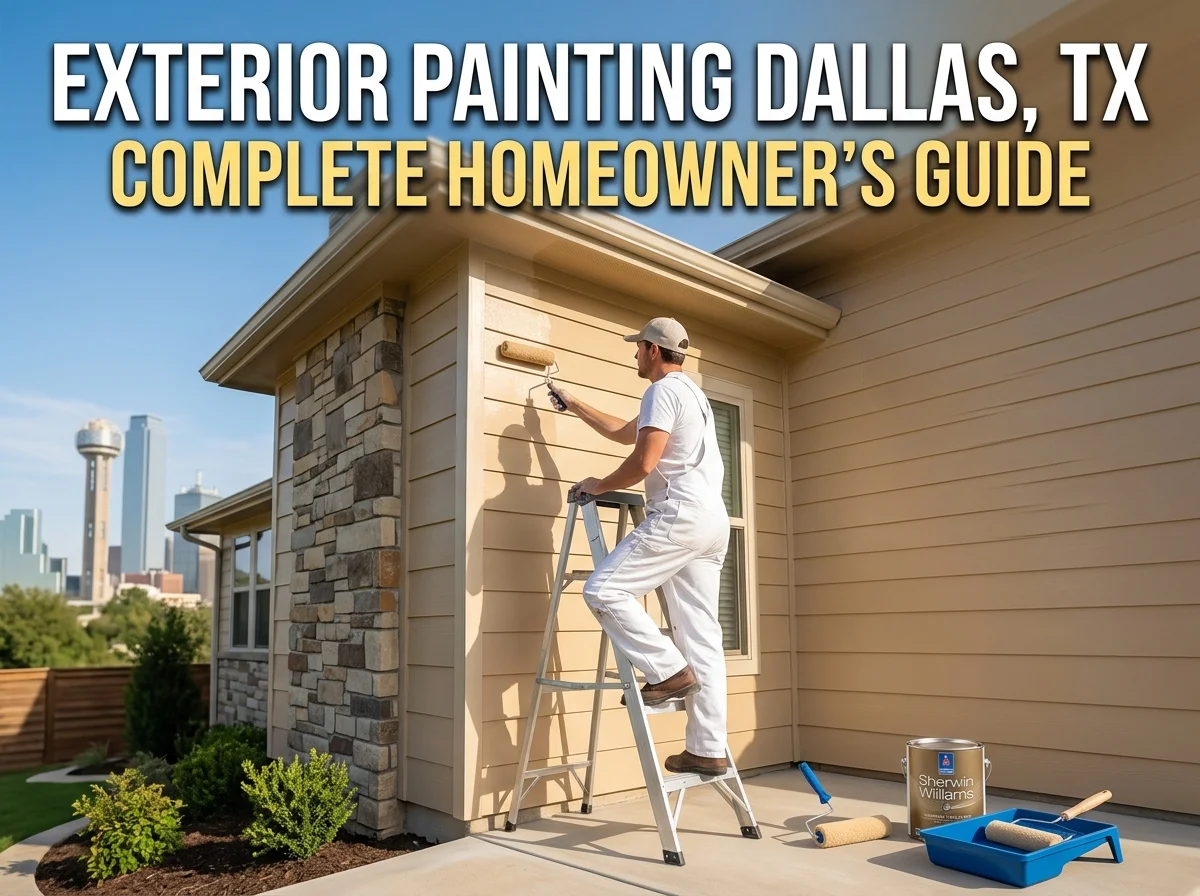
The best time to paint your exterior in Dallas, TX is usually during periods with moderate temperatures, low rain risk, and stable weather. Spring and fall can offer good opportunities, but the calendar alone should not decide when you paint. The actual conditions on the day of application matter more.
Dallas has very hot summers and noticeable changes between seasons. Normal high temperatures reach about 91.5°F in June and 95.6°F in July, while October averages around 78.4°F. These conditions can affect drying, application, and the overall painting process.
What Is the Best Season for Exterior Painting in Dallas?
Spring and fall are generally the most practical seasons for exterior painting in Dallas, but there can be good painting days outside those seasons too.
The goal is to find a period when temperatures are within the paint manufacturer’s recommended range, rain is not expected, and the surface is dry. Sherwin-Williams notes that exterior painting should be planned around suitable temperature and weather conditions, while specific products may allow a wider temperature range.
For Dallas homeowners, this makes seasonal scheduling useful, but not absolute. A cool, dry summer morning may be better than a rainy spring afternoon.
Is Spring a Good Time to Paint a House Exterior?
Spring can be an excellent exterior painting season in Dallas, especially when temperatures are moderate.
March, April, and May gradually become warmer, with normal highs ranging from about 68.6°F in March to 83.6°F in May. This can provide comfortable conditions for many exterior painting projects.
However, spring also brings changing weather. Rain can delay preparation and painting, and wet surfaces need time to dry before coating.
If you plan a spring project, allow flexibility in the schedule. A professional exterior painting contractor in Dallas should monitor the forecast and adjust the work when conditions are not suitable.
Is Fall the Best Season for Exterior Painting?
Fall is often another strong choice for Dallas homeowners.
September normally has a high around 88.6°F, while October drops to about 78.4°F. November averages around 66.6°F.
These temperatures can be more manageable than the peak summer heat.
Fall can also be useful for homeowners who want to complete exterior maintenance before winter.
However, the same rule applies: choose the actual workdays based on weather conditions, not simply the season. Rain, high humidity, cold fronts, and sudden temperature changes can still create delays.
Can You Paint Your House During a Dallas Summer?
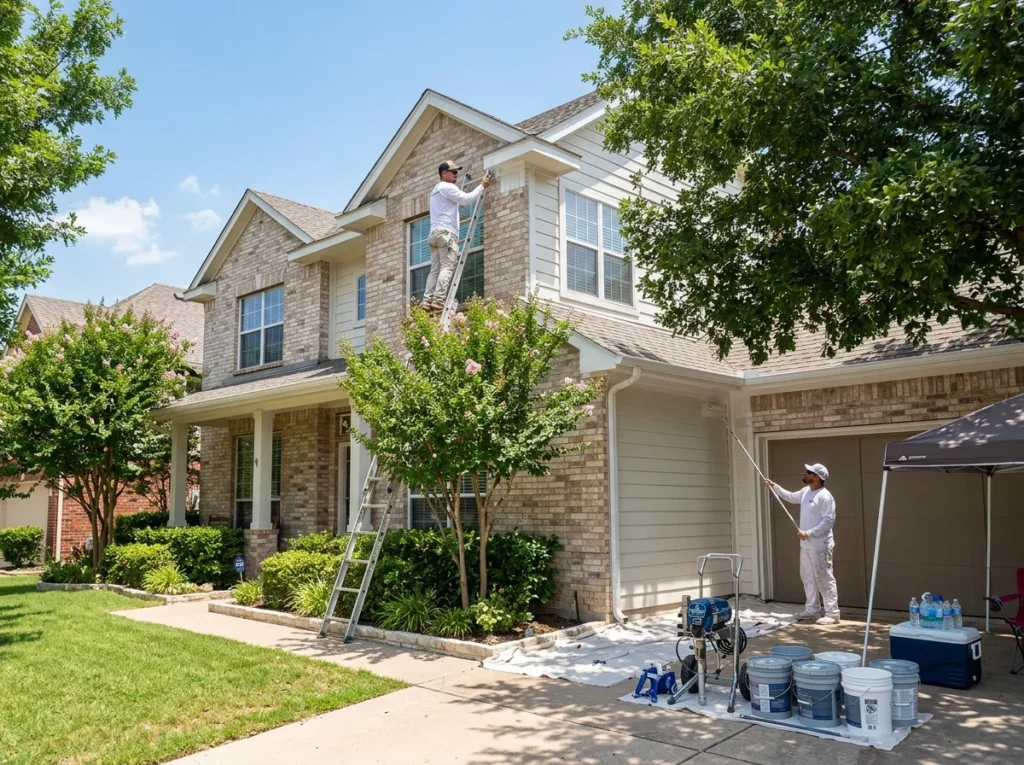
Yes, but summer requires more careful scheduling. Dallas normally reaches its highest temperatures in July and August, with average highs around 95.6°F and 95.8°F. Very hot surfaces and strong sunlight can make exterior painting more difficult.
Sherwin-Williams warns that excessive temperatures can affect drying, leveling, and the finish. Its general exterior guidance recommends avoiding temperatures above 90°F for certain products, while other products are designed for different ranges.
That is why summer painting may work better during cooler parts of the day, depending on the product and surface.
Direct sunlight also matters. A wall exposed to strong afternoon sun can become much hotter than the surrounding air. Understanding how heat and humidity affect your home is similar to managing moisture in interior spaces something that’s equally important when dealing with preventing mold growth on drywall in humid climates.
Is Winter Too Cold for Exterior Painting?
Winter is not automatically off-limits, but it offers fewer reliable painting opportunities.
Dallas has relatively mild winters compared with many parts of the United States. Normal highs are about 56.5°F in January, 60.9°F in February, and 57.9°F in December.
Some modern exterior coatings can be applied at temperatures as low as 35°F when the product specifically allows it. Sherwin-Williams states that certain waterborne products can be used at those temperatures, provided the surface, air, and product temperatures meet the requirements.
So the right answer depends on the paint being used. Always follow the product label rather than assuming every exterior paint has the same temperature requirements.
What Temperature Is Best for Exterior Painting?
There is no single temperature that applies to every exterior paint.
For example, Behr’s Premium Plus Exterior guidance says to apply the product when air and surface temperatures are between 35°F and 90°F and are expected to remain in that range for at least four hours. It also advises against painting when rain or heavy condensation is expected.
Sherwin-Williams gives different guidance for different products and notes that some exterior products can be applied at temperatures as low as 35°F.
This is why temperature and humidity requirements should always be checked for the exact paint being used. If you’re uncertain about the best approach for your home, learning about interior painting can help you understand similar preparation and application principles.
How Does Humidity Affect Exterior Painting?
Humidity can affect paint drying time and the way a coating cures.
Behr notes that cooler temperatures or higher humidity may prolong drying time. This can become important when planning multiple coats.
High humidity can also make it harder for surfaces to dry after rain or overnight condensation.
For this reason, a good painting day is not simply one with a comfortable air temperature. The surface needs to be dry, and the expected conditions need to remain suitable during the early stages of drying.
How Does Rain Affect Exterior Painting?
Rain is one of the clearest reasons to delay exterior painting.
Painting over a wet surface can create adhesion and finish problems. Even if rain does not arrive immediately, the surface may still be damp from earlier rainfall or heavy condensation.
Behr advises against painting when rain or heavy condensation is expected.
Sherwin-Williams similarly advises against painting immediately after rain or when rain is predicted for products with those requirements.
A professional crew should therefore check both current conditions and the short-term forecast before starting.
Does Direct Sunlight Affect Exterior Painting?
Yes. Direct sunlight can make the surface much hotter than the surrounding air.
Sherwin-Williams explains that very high temperatures can affect application, drying, leveling, and the finished appearance.
For a large home, different walls may receive very different amounts of sunlight throughout the day. A contractor may need to plan the work so that certain surfaces are painted when conditions are more suitable. This is particularly relevant during Dallas summers when exterior painting in Dallas requires strategic scheduling around intense heat and sun exposure.
Why Does Surface Preparation Matter Before Painting?
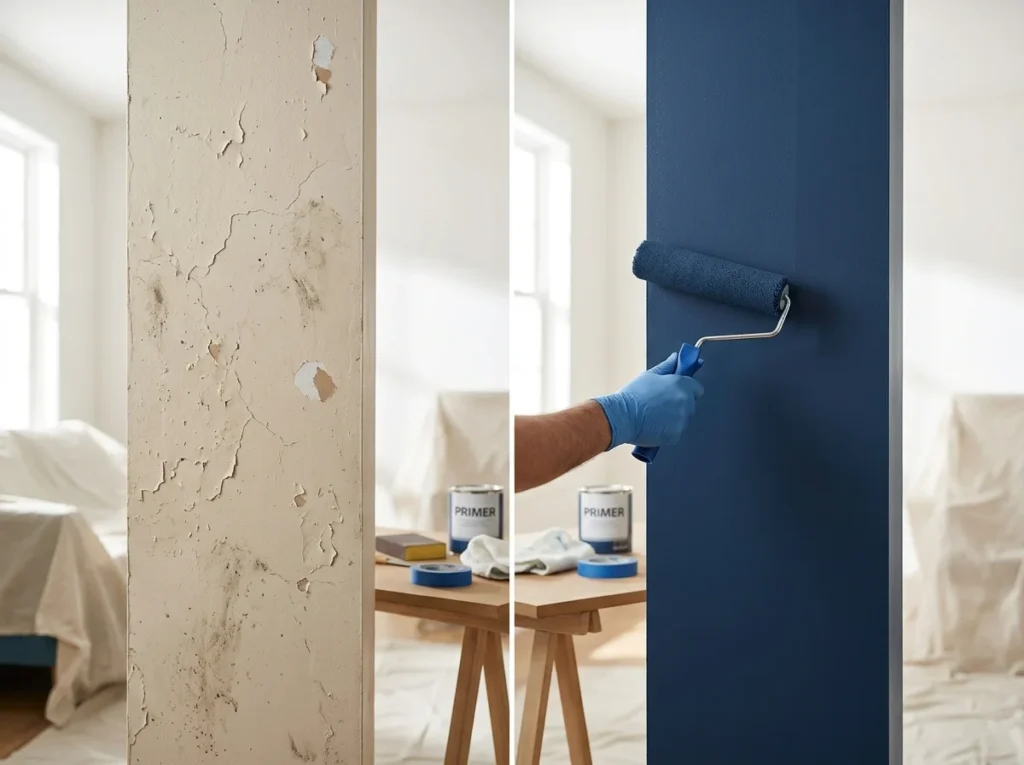
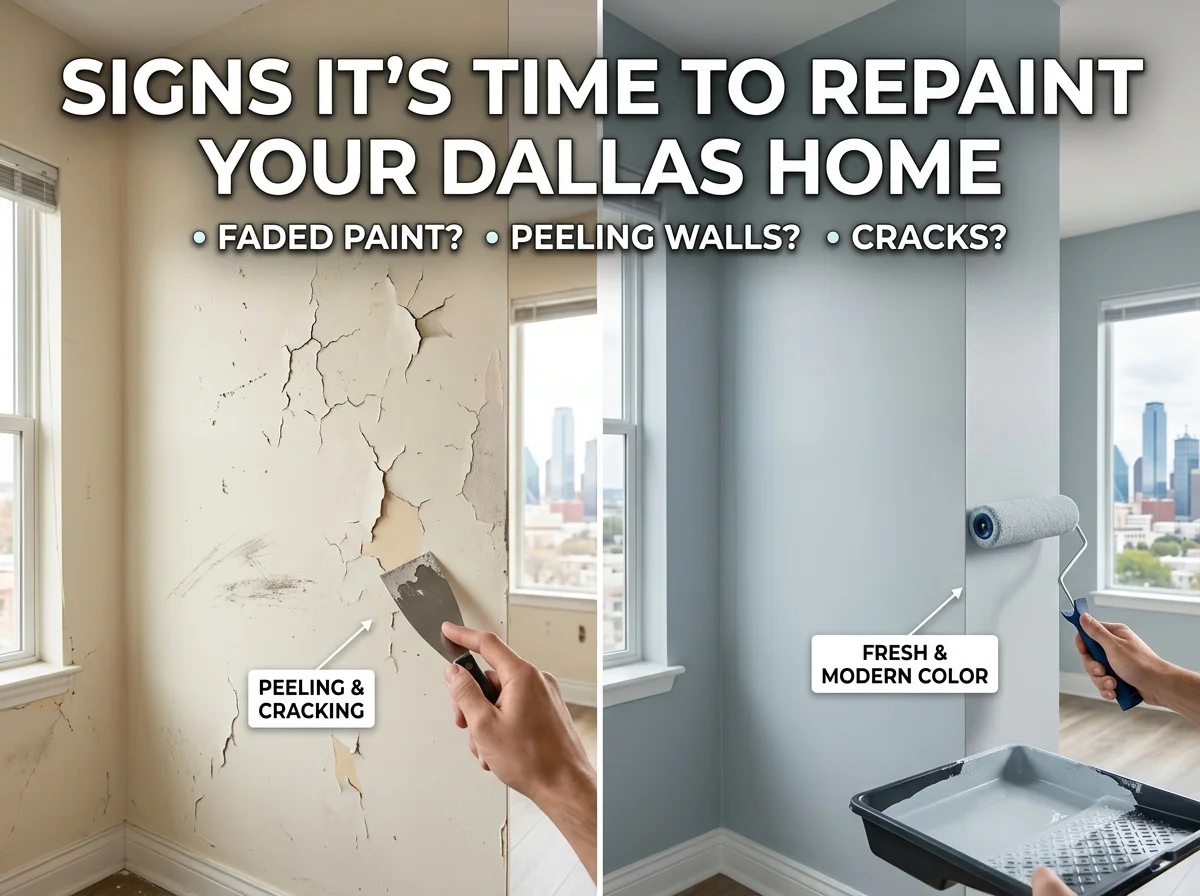
Good timing cannot compensate for poor preparation. Before painting, exterior surfaces may need cleaning, scraping, sanding, caulking, or repairs. Sherwin-Williams recommends removing dirt, loose paint, mold, mildew, and other surface contamination before painting.
Behr also recommends starting with a clean, prepared workspace and allowing surfaces to dry properly before painting. The same preparation principles apply to other home improvement projects, such as drywall repair in Dallas, where surface condition directly impacts the final result.
If the surface is not ready, even ideal weather may not produce the result you want.
How Should You Schedule an Exterior Painting Project?
When planning exterior painting services in Dallas, avoid choosing a date months in advance and assuming the weather will cooperate.
Instead, build a general seasonal window and confirm the actual workdays closer to the project.
A good schedule should account for:
- Surface preparation
- Cleaning and drying
- Temperature
- Surface temperature
- Humidity
- Rain forecast
- Direct sunlight
- Paint drying time
- Time between coats
This approach gives your contractor room to move the work when conditions change.
Should You Hire Professional Exterior Painters?
Professional help can be useful when your home requires extensive preparation, has multiple stories, or includes several exterior materials.
An experienced exterior painting contractor in Dallas can evaluate the existing coating, identify preparation requirements, choose suitable products, and plan the work around weather conditions.
When getting an estimate, ask what preparation is included and how weather delays are handled. Contact us for a detailed estimate and to discuss your exterior painting needs.
The best contractor is not simply the one who can start the soonest. Look for someone who understands that exterior painting depends on the condition of the surface and the conditions during application.
Frequently Asked Questions
What is the best time to paint a house exterior in Dallas?
Spring and fall often provide favorable conditions, but the best time is ultimately a period with suitable temperatures, dry surfaces, low rain risk, and stable weather.
Can I paint my house exterior in summer?
Yes. Summer projects can work when the product and weather conditions allow it. In Dallas, extreme heat and direct sunlight may require careful scheduling.
Is fall better than spring for exterior painting in Dallas?
Both can work well. Fall often brings more moderate temperatures, while spring can also provide good painting windows. Rain and humidity still need to be considered.
How long should exterior paint dry before rain?
It depends on the product, temperature, humidity, and other conditions. Behr’s product guidance provides specific rain-resistance and drying requirements, so the paint label should always be followed.
Can exterior painting be done in winter?
Yes, if the specific paint allows the temperatures and conditions. Some modern products can be applied at lower temperatures, but cold or unstable weather can make scheduling more difficult.
Choosing the Right Time to Paint Your Dallas Home
The best time to paint your exterior in Dallas, TX is not simply a particular month. It is a stretch of suitable weather when the surface is dry, temperatures meet the product requirements, rain is unlikely, and the crew has enough time for proper preparation and drying.
Spring and fall can provide useful painting windows, while summer and winter projects may also work when conditions and products allow them. Dallas’s hot summers make temperature and direct sunlight especially important, while spring and fall require attention to rain and changing weather.
If you are planning a project, start with the condition of your home’s exterior, then choose the painting window around the actual weather forecast. Proper surface preparation, suitable materials, and careful scheduling all contribute to a better exterior finish.