
Spray Foam Insulation in Carrollton, TX
An older attic does not always need a complete change of insulation. Some homes benefit from targeted repairs, while others need a different enclosure strategy. Stone Drywall Solutions provides spray foam insulation services in Carrollton based on the proposed assembly and existing conditions. Our team brings over 20 years of drywall and finishing experience to its work.
We review what is already in place before recommending removal or new material. That helps keep the project tied to a clear purpose.
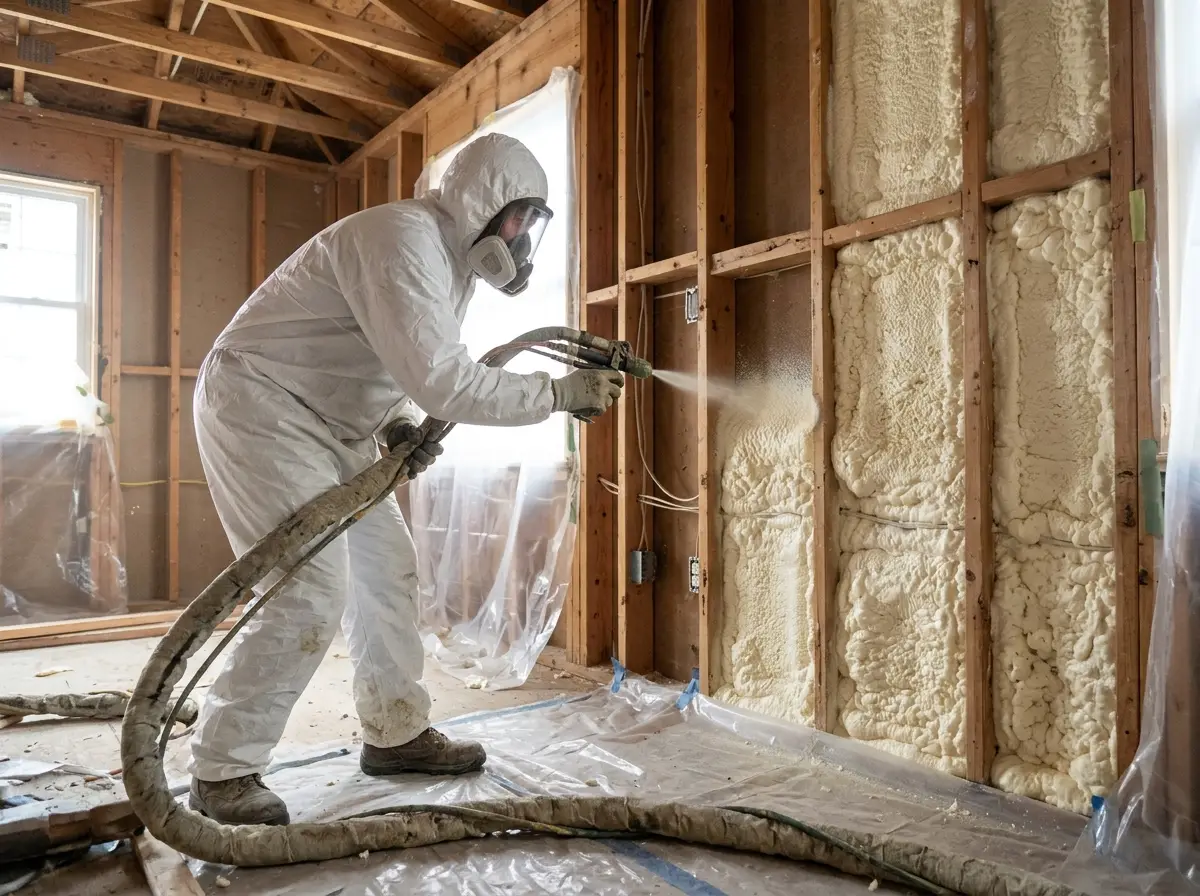
Our Carrollton Spray Foam Insulation Services
We install spray foam in suitable Carrollton assemblies, including:
Exposed exterior wall cavities.
Approved attic areas.
Addition framing.
Eligible rim joists.
Assessed crawl-space locations.
The proposed scope explains which areas can be reached without opening additional finishes.
Upgrading Insulation in Carrollton’s 1970s–1990s Homes
Established Carrollton homes may have fiberglass batts or loose-fill insulation that has been disturbed by later work. Material can be displaced near equipment and access routes. The resulting gaps may matter more than the average attic depth. An assessment should look at coverage and the air leaks beneath it.
Finding Problems Beneath Existing Insulation
Ceiling openings around plumbing and wiring can connect living areas to the attic. Insulation lying over those openings may not stop the airflow. Suitable air sealing may be needed before adding more material. Required clearances and approved treatments must be respected around heat-producing components.
Fiberglass batts should fit the intended space without large gaps or unnecessary compression. Loose-fill material needs reasonably consistent coverage. Areas around the attic hatch can also be overlooked. Correcting these defects may be useful without changing the entire roof assembly.
An energy assessment can help separate insulation issues from duct leakage or mechanical faults. The findings should guide the scope. A warm room alone does not establish that roof-deck foam is the right solution. Existing equipment and airflow deserve attention too.
Comparing Retrofit Options
Targeted air sealing with additional conventional insulation may suit a vented attic. That approach retains the insulation boundary at the ceiling. The roof’s intended ventilation paths remain functional. It can be a practical option when the existing arrangement is sound but incomplete.
Attic spray foam insulation may be considered where a different assembly is appropriate. A roof-deck application changes more than the material used. It requires a plan for ventilation and moisture control. The choice should be explained before the project is presented as an upgrade package.
Open cell spray foam insulation and closed cell spray foam insulation have different properties. Available depth and drying behavior help determine suitability. Compare the selected product’s documented R-value at the proposed thickness. A broad category name does not provide enough detail for a useful quote.
Should Carrollton Homeowners Remove Existing Attic Insulation Before Spray Foam Installation?
Removal depends on the condition of the old material and the planned location of the new insulation. It should not be automatic, but it should not be ruled out to lower the price. The scope needs to explain what will remain and why.
When Existing Material May Remain
Sound insulation may remain where the project retains the same attic-floor approach and the design allows it. Some material may need temporary removal to reach air leaks. After those areas are treated, suitable insulation can be restored or supplemented. The plan should preserve required ventilation and equipment access.
Foam needs a suitable surface for adhesion. Spraying over loose insulation is not a substitute for reaching that surface. If foam is proposed at a specific junction, the area needs proper preparation. Existing material should not prevent inspection of the work.
When Removal Needs to Be Included
Wet or contaminated insulation requires assessment before it is retained. Active leaks and pest conditions should be resolved first. Removal can also be needed to inspect damaged framing or complete electrical repairs. Those tasks should be addressed before new insulation conceals the area.
Moving the insulation boundary to the roof deck requires a separate decision about material at the attic floor. Existing insulation and vapor-control layers can affect how the new attic behaves. The design should state which layers remain and which are removed. Do not assume that more insulation in both locations is always better.
Roof sheathing must be sound and dry enough for the selected foam. Electrical defects need qualified repair before application. Existing fuel-burning equipment also requires review if the attic’s ventilation changes. Resolving these issues first is more useful than completing foam work around them.
Our Spray Foam Preparation and Installation Process
Survey accessible areas. Review the insulation boundary and substrate condition.
Define the system. Confirm material and protection requirements.
Isolate and install. Follow the manufacturer’s application and ventilation instructions.
Inspect and advise. Review coverage and explain reoccupancy requirements
Planning the Completed Insulation System
Spray foam insulation installation should include clear product and thickness specifications. The estimate should identify removal and disposal where needed. It should also describe any required protective barrier or approved coating. The finished system matters more than the amount of foam alone.
Application requires occupant exclusion and controlled ventilation. Follow the product-specific instructions for return to the building. Get those arrangements before installation day so residents and other trades can plan around them.
Contact Stone Drywall Solutions at 469-999-8302 to discuss residential spray foam insulation in Carrollton. Share what you know about the current attic insulation and any past leaks or repairs.
Frequently Asked Questions
No. Condition and coverage matter. Dry material that remains properly installed may still perform its intended role.
Leave it in place until the proposed work is assessed. Premature removal can make the home less protected and may disturb unknown contaminants. Agree on removal responsibilities first.
Only with the clearances and treatment appropriate to the fixture and assembly. The installer must identify those requirements. Do not assume every light can be covered.
Compare the same treated area and documented performance. Include removal, preparation, and required foam protection. A lower application price may omit work needed to complete the system.
Carrollton, TX Services
Transform Your Space with Expert Craftsmanship
Stone Drywall Solutions is your trusted partner for all drywall and painting needs. Contact us today for a free consultation and let us bring your vision to life with quality services you can rely on.