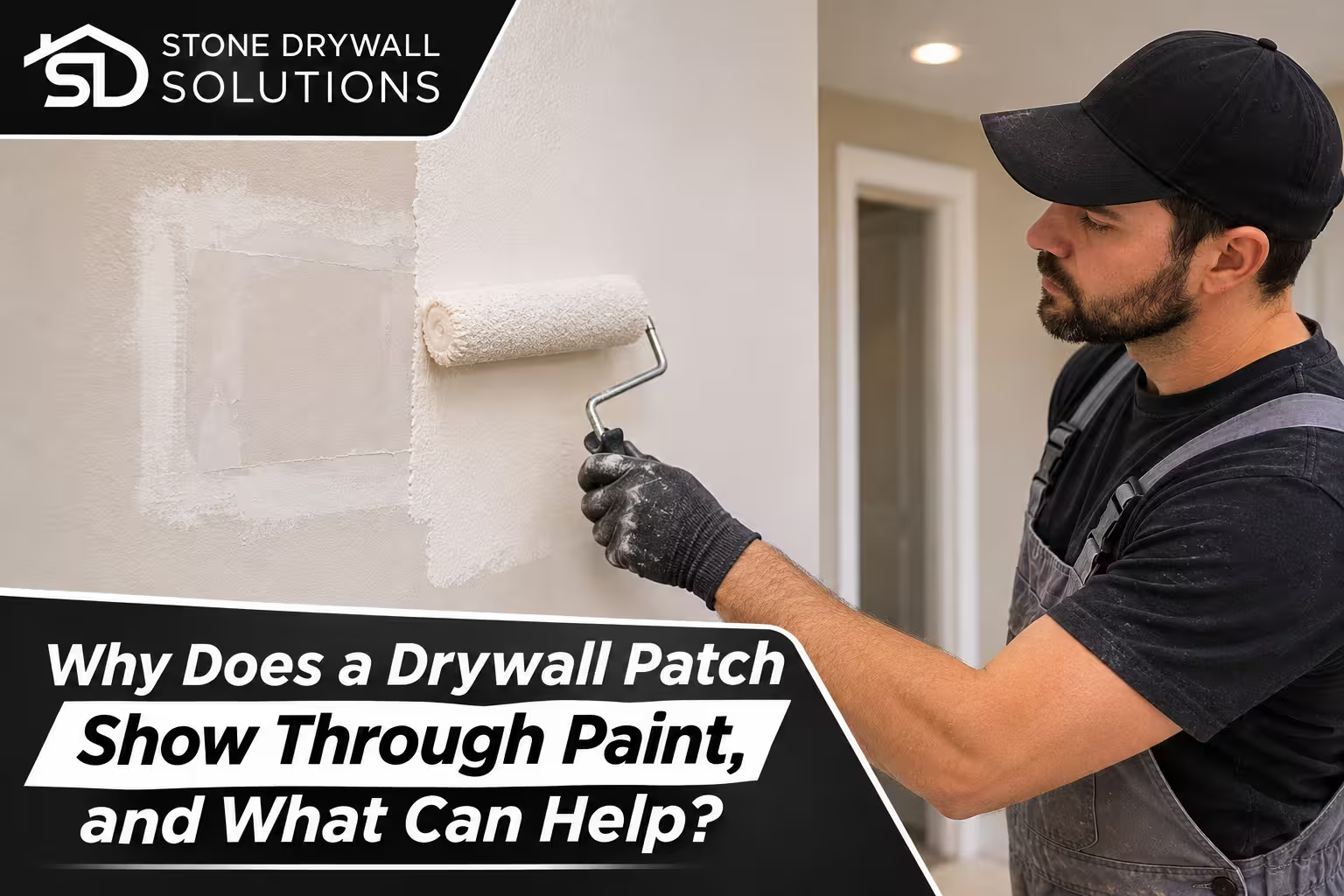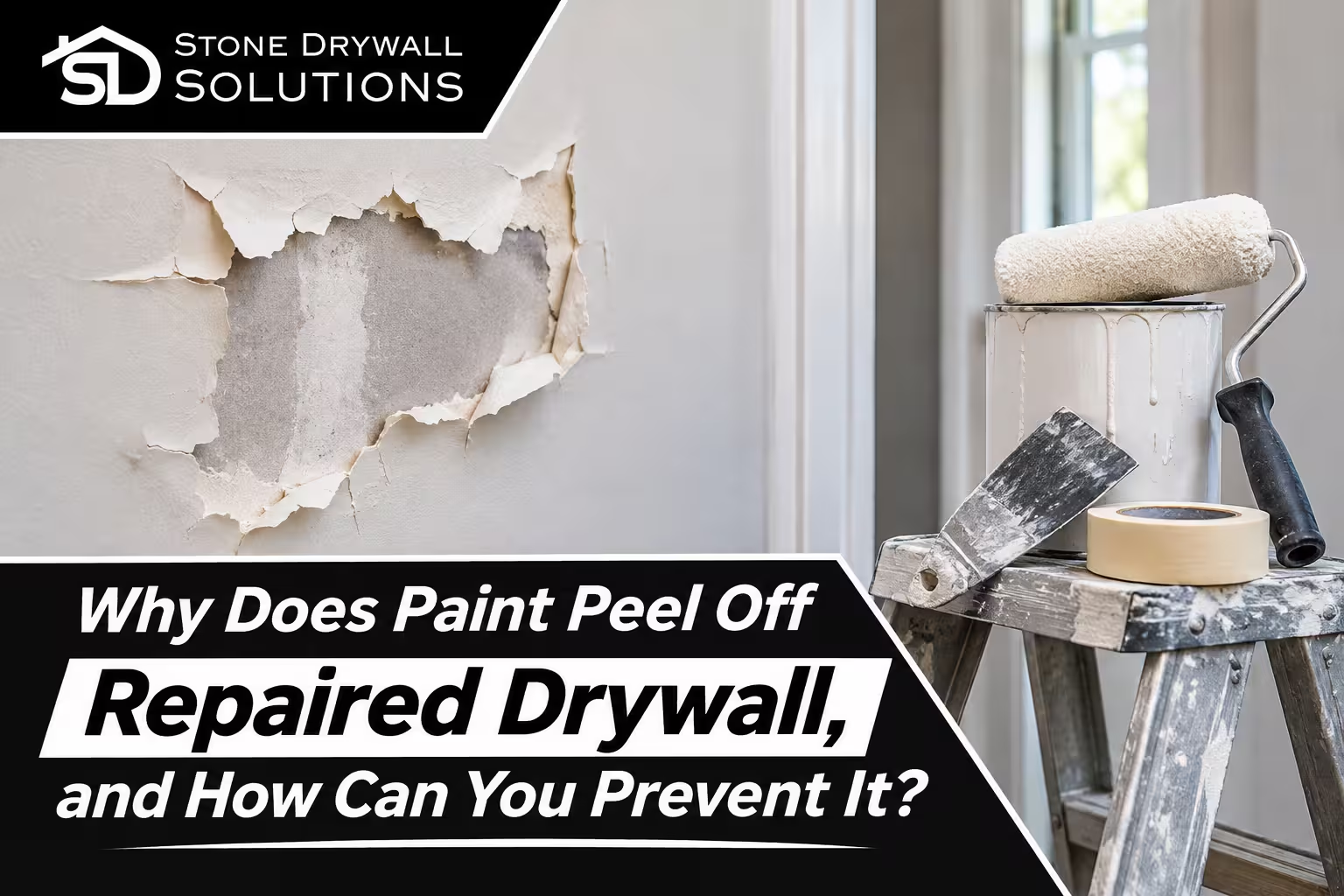
A drywall patch can look perfectly smooth after sanding, priming, and painting. But sometimes, within days or weeks, the paint begins lifting, flaking, or separating from the repaired area. The surrounding wall may remain completely unaffected.
Paint peeling off repaired drywall usually results from poor surface preparation, remaining sanding dust, inadequate adhesion, trapped moisture, or incompatible coatings. Applying paint before the joint compound has dried can also create problems.
The important distinction is whether the paint itself has failed or the material underneath it is deteriorating. A small area of peeling paint may require straightforward surface preparation and repainting. However, recurring peeling, soft drywall, or moisture-related damage may require more extensive repairs.
Understanding what went wrong helps prevent another failed paint job.
Why Does Paint Peel After Drywall Repair?
Paint forms a thin film that needs to bond securely to the surface underneath it. On repaired drywall, that surface may include joint compound, drywall face paper, primer, and existing paint. If one layer is loose, contaminated, or unsuitable for coating, the new paint may separate from it.
Sanding Dust Left on the Repaired Surface
Sanding joint compound produces fine, powdery dust that can remain on the wall even when the patch looks clean. When primer or paint is applied over this residue, it may bond to the dust instead of the solid surface beneath it. The result can be paint adhesion failure, especially around the edges of a repaired patch.
A quick visual inspection isn’t always enough to identify remaining dust. Gently wiping the surface with a clean cloth can reveal whether powder is still present. Drywall finishing guidance from USG and paint manufacturers emphasizes removing sanding dust before applying primer or other coatings.
Joint Compound That Hasn’t Fully Dried
Joint compound contains moisture that must dissipate before finishing. Drying-type compounds depend on evaporation, while setting-type compounds harden through a chemical reaction but still need to reach suitable dryness before painting.
Thicker applications, cooler conditions, and elevated humidity can extend drying time. Painting over material that remains damp may interfere with coating adhesion and drying. Rather than relying on a fixed number of hours, follow the specific compound manufacturer’s recommendations and confirm that the material is fully dry.
Can Skipping Primer Cause Paint to Peel?
Primer helps prepare repaired drywall for painting, but its role is often misunderstood. Fresh joint compound is porous and can absorb paint differently from the surrounding drywall paper or previously painted surface. A suitable drywall primer helps establish more consistent surface absorption and prepares the patch for the finish coat. USG explains that drywall finishing primers help equalize porosity differences between joint compound and gypsum panel surfaces.
However, skipping primer does not automatically cause peeling in every situation. It may first produce uneven absorption, inconsistent sheen, or an unsatisfactory finish. Actual peeling becomes more likely when poor priming is combined with contamination, weak underlying material, moisture, or incompatible coatings.
Why Primer Coverage Matters
An uneven primer coat may leave areas of exposed joint compound that absorb the finish paint differently. Using the wrong primer can also create problems. For example, a primer designed for a sound, porous drywall surface may not be appropriate for glossy existing paint or damaged drywall paper. For typical repairs, choose a primer approved for the surface condition and compatible with the intended topcoat. Follow its recommended coverage, application method, and drying time rather than assuming that every primer performs the same way.
Can Existing Paint or Coating Compatibility Cause Peeling?
Sometimes the repaired drywall is sound, but the new coating fails where it overlaps the old paint. This often happens when the surrounding surface is glossy, greasy, or inadequately prepared. A patch may have been sanded properly while the adjacent painted surface received little preparation. New paint can then adhere to the compound but separate from the older coating.
High-gloss finishes may require cleaning, light sanding, or a suitable bonding primer before repainting. Coating compatibility also matters when applying water-based products over certain existing finishes. Sherwin-Williams identifies inadequate surface preparation, unsuitable coatings, and improper application as common contributors to premature paint failure. Excessively thick coats, painting outside the manufacturer’s recommended temperature range, or recoating too soon can further affect performance. The solution is not necessarily to choose a more expensive paint. The entire coating system must be suitable for the prepared surface.
How Does Moisture Affect Paint on Repaired Drywall?
Moisture deserves special attention because it can affect both the paint film and the material supporting it. A repaired wall near a plumbing line, bathroom, kitchen, or exterior opening may experience moisture that is not immediately visible.
Leaks and Damp Drywall
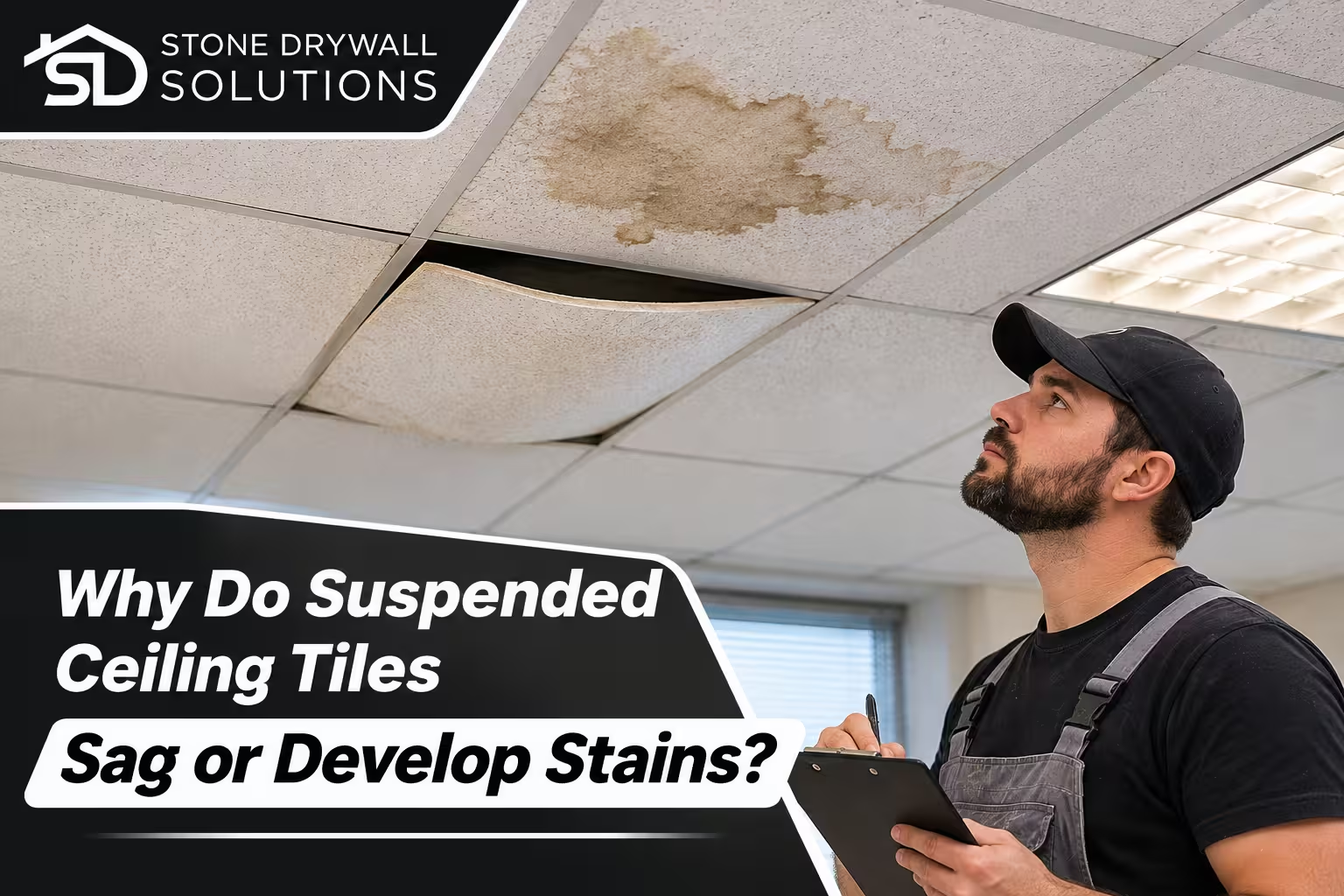
Water entering through plumbing leaks or building-envelope defects can soften joint compound, weaken drywall paper, and interfere with paint adhesion. Paint may blister, peel, or detach along with portions of the underlying material. Brown discoloration, soft patches, persistent dampness, or recurring blistering should prompt further investigation. Repainting cannot correct an active leak.
Interior Humidity and Painting Conditions
High indoor humidity can slow the drying of joint compound, primer, and paint. For Dallas properties, maintaining suitable indoor conditions during repairs is particularly useful when air-conditioning equipment is not operating consistently or rooms have limited ventilation.
Paint and compound manufacturers specify acceptable application conditions. Those instructions should guide the work rather than outdoor weather alone. If moisture has already weakened the drywall, additional patching may not be sufficient until the source is corrected and the affected material is evaluated.
How Can You Identify Which Layer Is Failing?
Before removing paint, examine what comes away with it. The material attached to the peeling film can help identify where the failure occurred.
| What You Notice | Possible Cause |
| Paint lifts cleanly from a firm, powdery patch | Sanding dust or inadequate surface preparation |
| New paint separates from existing glossy paint | Poor bonding to the previous coating |
| Paint flakes while primer remains attached | Topcoat compatibility or application problems |
| Joint compound comes away with the paint | Weak, damp, or poorly bonded repair material |
| Paint blisters alongside stains or soft drywall | Possible moisture intrusion |
| Torn brown drywall paper becomes visible | Damaged gypsum panel facing requiring appropriate preparation |
These observations provide clues rather than a definitive diagnosis. A patch with peeling paint but firm, dry joint compound may be suitable for surface refinishing. A soft or deteriorating repair requires attention to the underlying material. This distinction helps avoid removing sound drywall unnecessarily.
How Do You Fix Paint Peeling From a Drywall Patch?
The repair method should address the failed layer rather than simply hiding the damage. For a dry, stable wall with localized paint adhesion problems, the process generally involves the following steps.
1. Remove Loose Paint Carefully
Use an appropriate scraper to remove paint that has already detached or is visibly lifting. Avoid aggressive scraping that damages the drywall face paper. If the existing paint is firmly attached outside the affected section, removing the entire wall coating may be unnecessary.
2. Examine and Repair the Exposed Surface
Check whether the joint compound remains firm and properly bonded. Where small depressions or damaged areas remain, apply a compatible repair compound as needed. Allow the material to dry according to the manufacturer’s instructions. When repairing exposed or torn drywall paper, use an appropriate conditioner or sealer before applying new compound if required by the product instructions.
3. Sand the Repair Smooth
Lightly sand uneven areas and feather the edges where the remaining paint meets the exposed patch. The purpose is to create a sound, smooth transition without removing unnecessary material. Avoid sanding so aggressively that the drywall paper becomes exposed.
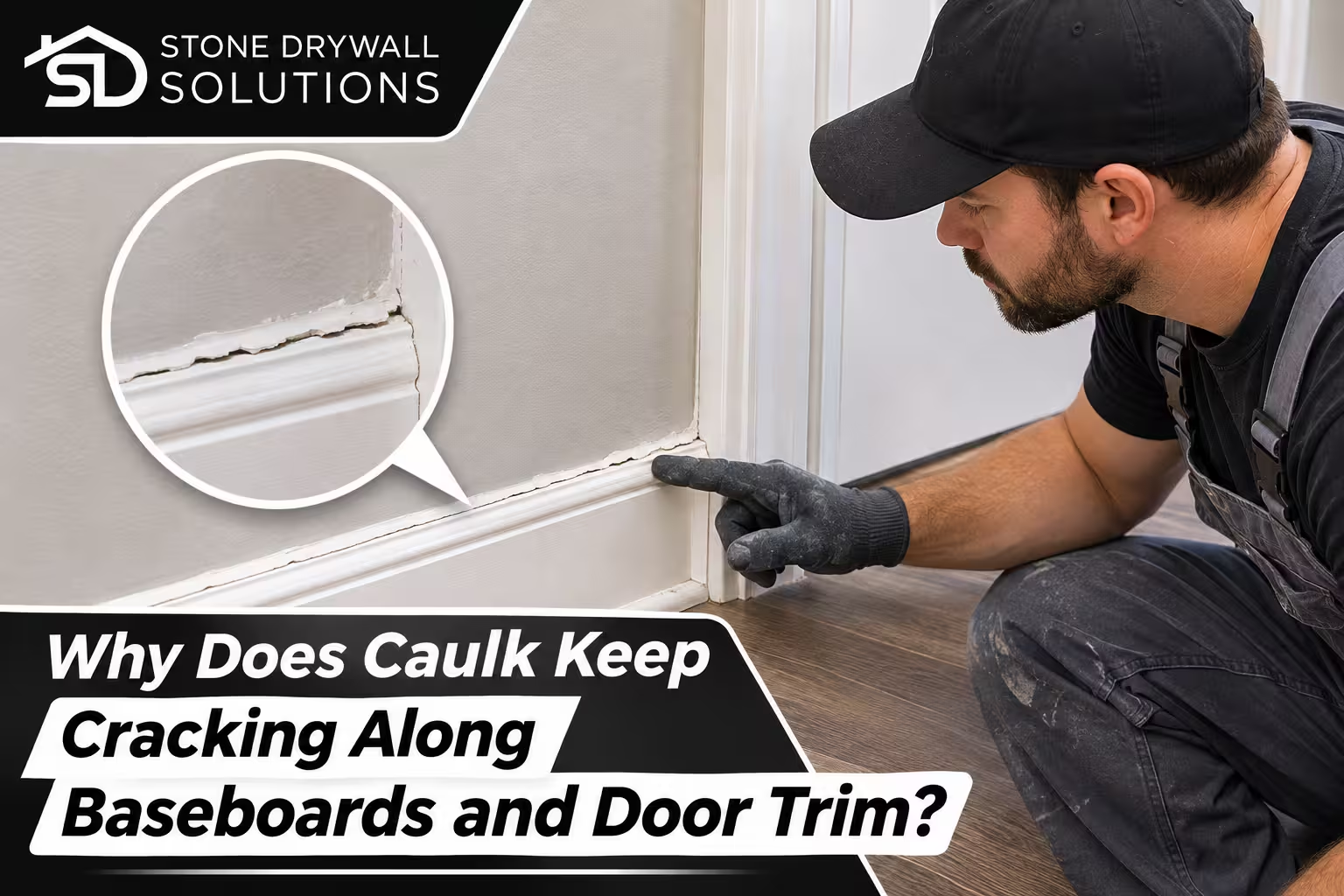
For broader patching concerns, the guide to common drywall patch repair mistakes explains how improper compound application and sanding can affect repair quality.
4. Remove Sanding Dust Completely
Use a suitable vacuum with dust collection or a clean cloth to remove loose residue. A lightly dampened cloth may be appropriate for certain surfaces, but avoid saturating the joint compound or damaging exposed drywall paper. Allow the surface to dry before priming.
5. Apply a Suitable Primer
Select a primer compatible with the repaired material and surrounding coating. Apply sufficient coverage according to the product instructions, paying attention to the transition between exposed compound and existing paint. Some repairs benefit from priming a larger section to establish consistent surface conditions.
6. Repaint Under Proper Conditions
Use a compatible interior finish paint and follow the manufacturer’s instructions for application temperature, coat thickness, and recoat time. Two properly applied coats may be appropriate depending on the product and coverage requirements. Avoid repeated rolling over paint that has begun drying, as this can disturb the developing film.
When Does Repaired Drywall Need More Than Repainting?
Not every failed coating can be corrected through sanding and primer. Additional drywall work may be necessary when the underlying compound has separated, the gypsum panel feels soft, or the drywall face paper has been extensively damaged.
Signs that warrant closer assessment include:
- Joint compound crumbling or separating beneath the coating
- Persistent dampness after an earlier water incident
- Extensive torn drywall paper
- Loose or unstable sections surrounding a previous patch
- Repeated coating failure despite appropriate preparation
Localized damage may require removing the affected compound and rebuilding the patch. If the gypsum core has deteriorated or the panel is no longer sound, replacing the affected section may be more appropriate. Professional drywall repair in Dallas, TX can address damaged wall materials before the finishing process begins.
For older properties, another consideration is lead-based paint. Before disturbing painted surfaces in homes built before 1978, follow applicable EPA lead-safe renovation requirements. Sanding or scraping potentially lead-containing paint without suitable precautions can create hazardous dust.
How Can You Prevent Paint Peeling After Future Drywall Repairs?
Reliable paint adhesion begins before the first coat is applied. The most effective approach is to treat patching, surface preparation, priming, and painting as separate stages with appropriate drying time between them. Before starting, confirm that the repair material is compatible with the existing wall and that any moisture problems have been resolved. During preparation, pay particular attention to the boundary between old paint and fresh compound. Both surfaces must be suitable for the new coating.
A few practical measures make a meaningful difference:
- Use joint compound appropriate for the repair and application depth.
- Allow each compound layer to dry as directed.
- Remove all residual sanding dust.
- Clean and prepare glossy or contaminated existing paint.
- Select primer according to the substrate condition.
- Follow the paint manufacturer’s temperature, humidity, and recoat recommendations.
For larger projects, coordinating drywall finishing with professional interior painting services in Dallas can help maintain consistent preparation and coating practices.
Frequently Asked Questions
Can Paint-and-Primer-in-One Be Used Directly Over Fresh Joint Compound?
It depends on the product. Some combination paints may be suitable for certain prepared surfaces, but they do not automatically replace a dedicated drywall primer. Check whether the manufacturer specifically approves the product for bare joint compound.
How Long Should Joint Compound Dry Before Painting?
Drying time depends on the product, application thickness, temperature, and humidity. Some setting compounds harden relatively quickly but still require adequate drying before coating. Follow the product instructions rather than relying on a universal waiting period.
Should You Remove All the Paint From a Wall if Only the Patch Is Peeling?
Usually not. If the surrounding coating remains sound and firmly attached, localized removal and refinishing may be sufficient. Widespread separation suggests a broader adhesion problem that requires additional assessment.
What if Drywall Paper Tears While Removing Peeling Paint?
Torn drywall paper needs appropriate preparation before patching and repainting. Remove loose paper carefully and use a compatible drywall conditioner or sealer where required. Applying wet compound directly over damaged paper can cause further problems.
Prevent Repeated Paint Failure With Proper Drywall Preparation
Paint that peels after drywall repair usually indicates a problem with adhesion, surface condition, moisture, or coating application. Finding the failed layer and correcting its cause allows the wall to be repaired without repeatedly applying new paint over an unstable surface. Stone Drywall Solutions states that its team has over 20 years of experience providing drywall and finishing services in Dallas, TX. For drywall repair or interior painting assistance, contact Stone Drywall Solutions or call 469-999-8302 to discuss your project.