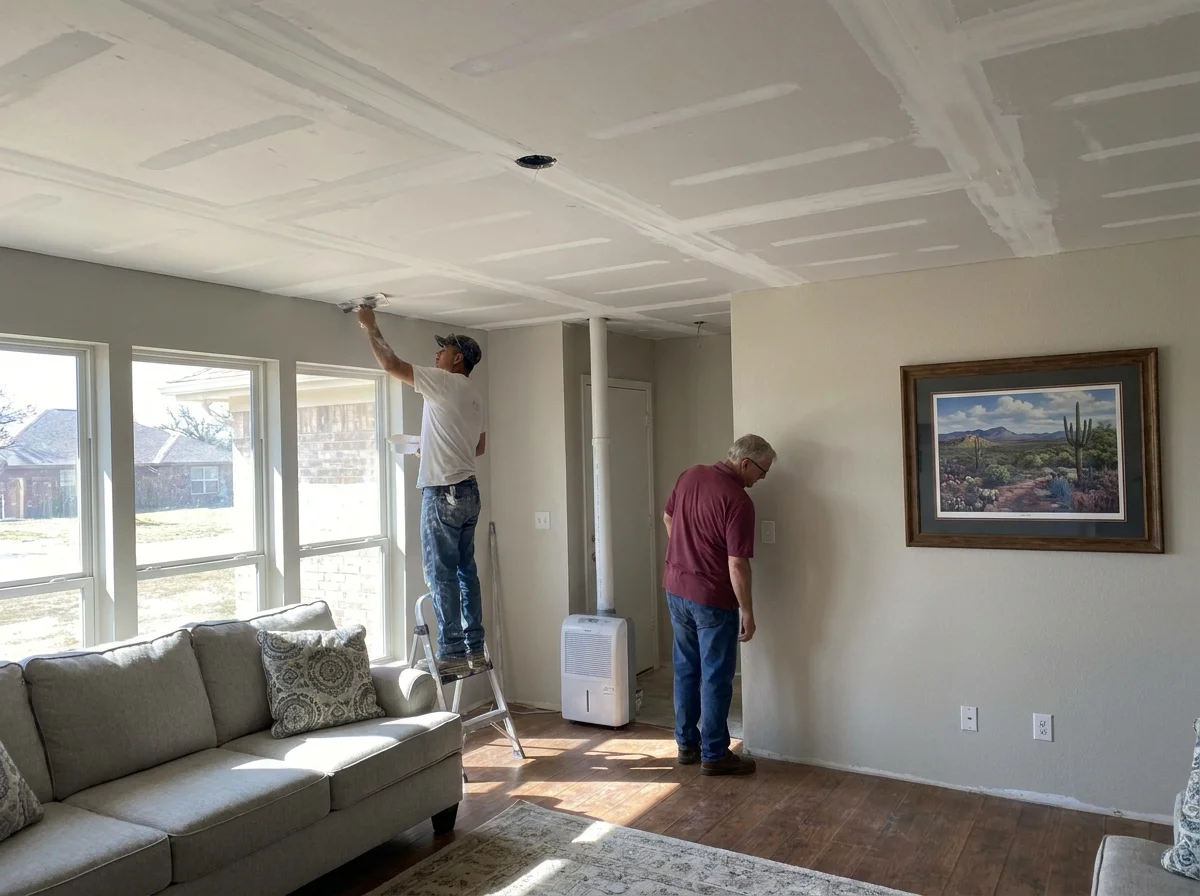
Are you concerned about how to prevent drywall cracks in Texas homes? At Stone Drywall Solutions, we understand the unique challenges that homeowners face in keeping their walls pristine, especially in places like Dallas, Fort Worth, and the surrounding areas we proudly serve. With our expertise in drywall, caulking, and insulation, we are here to offer you insightful tips to safeguard your home against unsightly cracks.
In this article, we’ll dive into why drywall cracks are so common in Texas, explore the main causes, and reveal the best preventative measures you can take. From the impact of seasonal changes to choosing the right materials for Texas climates, we’re here to guide you every step of the way. Stick with us as we navigate through expert strategies to repair and manage existing cracks, ensuring your home remains as beautiful as ever.
Why Are Drywall Cracks Common in Texas Homes?
If you live in Texas, you’ve probably noticed cracks in your drywall at some point. They can be a bit of an eyesore and seem to appear without warning. So, why is that? Understanding the reasons behind these seemingly sudden cracks can help in managing and preventing them.
One of the main culprits is the Texas climate. The state experiences radical temperature swings, from sweltering heat to a sudden chill. These extreme changes put a lot of stress on building materials, particularly drywall. When temperatures rise and fall dramatically, structures expand and contract—causing tiny, but noticeable, drywall cracks.
Moreover, the soil in Texas is often clay-based. This type of soil expands when it’s wet and contracts when it’s dry. Homes built on such shifting soil tend to settle unevenly, leading to movement in the foundation. As the foundation shifts, it takes the walls with it, which then leads to drywall cracks.
Finally, the relentless summer heat can lead to high humidity levels. Excess moisture in the air can cause drywall to absorb water, weakening it and making it more prone to cracking. Combine all these factors, and it’s no surprise that drywall cracks are a common sight in Texas homes. For those residing in the area, exploring drywall solutions in Dallas, TX can be an effective way to address these issues.
Don’t worry though—there’s more to discover about how you can prevent these pesky cracks. In the following sections, we’ll dive into measures you can take to keep your walls looking perfect despite the challenging Texas climate.
What Are the Main Causes of Drywall Cracks in Texas?
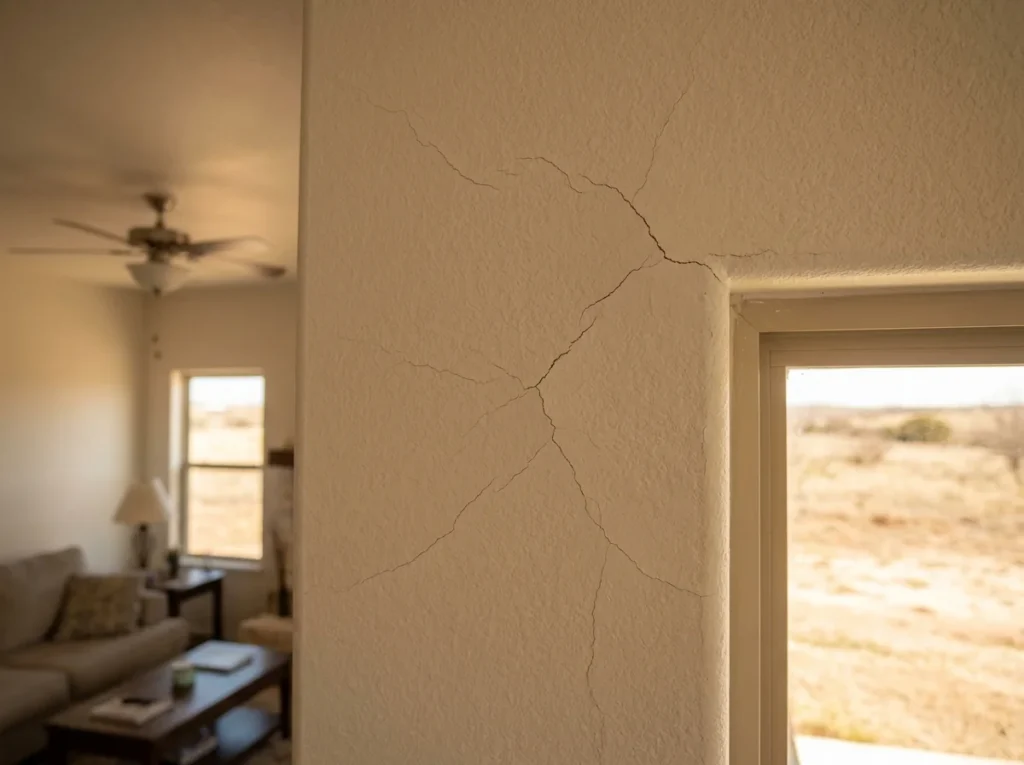
In Texas, drywall cracks are a common issue, often caused by the state’s unique geographical and climatic conditions. These cracks usually indicate underlying problems rather than just cosmetic defects. Understanding the primary causes can help prevent them and maintain your home’s structural integrity.
Here’s what commonly causes drywall cracks in Texas:
- Soil Movement: Texas soils, especially clay, expand and contract with moisture changes—leading to foundation shifts that crack walls.
- Foundation Settlement: As homes age, they naturally settle. The shifting can result in cracks as the structure adjusts.
- Temperature Fluctuations: Texas weather can swing from hot to cold, causing materials to expand and contract, stressing the drywall.
- Poor Construction Practices: Substandard construction techniques, such as improper taping or joint compound application, can lead to cracks developing over time.
- External Vibrations: Proximity to roads or construction sites can cause vibrations that slowly lead to cracking.
Understanding these factors is the first step to mitigating drywall issues. For more information on addressing these problems, consider exploring drywall patch repair solutions in Dallas, TX. In the next section, we’ll explore how seasonal changes affect drywall in Texas.
How Can Seasonal Changes Affect Drywall in Texas?
Texas weather is famously unpredictable. Sudden shifts from hot summers to cold winters can wreak havoc on homes, especially drywall. These seasonal changes cause significant strain on the structure of Texas homes.
In the summer, intense heat results in excessive drying. This makes drywall brittle, creating tiny fissures. When cooler temperatures arrive, the moisture returns—causing drywall to expand slightly. This back-and-forth can lead to larger cracks over time.
Humidity levels also play a role. High humidity in some regions of Texas can lead to more moisture in the air, which affects drywall. This moisture causes the drywall to swell, stressing joints and fasteners. As humidity drops (like in winter), the drywall contracts. These constant fluctuations make drywall more vulnerable to cracking.
The soil doesn’t help either. Texas’s unique clay soil expands and contracts with moisture. This soil movement affects a home’s foundation and, by extension, the drywall. Subtle shifts in the foundation can translate into visible wall cracks as the structure adjusts.
Understanding these seasonal dynamics is key to preventing damage. If homeowners are aware of how weather affects their dwelling, they can take preventative steps to protect their drywall from cracking. For those dealing with drywall issues, exploring tape and mud drywall solutions in Dallas, TX can be an effective measure. Up next, we’ll explore what measures can be taken to prevent drywall cracks in your Texas home.
What Preventative Measures Can Be Taken to Avoid Drywall Cracks?
Preventing drywall cracks in Texas homes requires proactive steps. The state’s unique climate—characterized by seasonal moisture changes and temperature fluctuations—can stress building materials. But with a few preventative measures, you can keep your walls smooth and crack-free.
Consider implementing these strategies:
- Control Indoor Humidity: Use dehumidifiers or air conditioners to maintain a stable indoor environment, minimizing moisture-related stress on drywall.
- Regular Inspections: Frequently check areas prone to cracking, such as corners or around doors and windows. Early detection allows for prompt repairs before they worsen.
- Seal Joints Properly: Ensure that all drywall joints are well-taped and sealed to prevent cracks from forming along seams during expansion and contraction.
- Install Expansion Joints: In larger wall areas, consider adding expansion joints to absorb movement and reduce the likelihood of cracking.
- Foundation Maintenance: Regularly inspect and maintain your home’s foundation to prevent shifts that might cause drywall to crack.
- Use Quality Materials: Opt for high-quality drywall and joint compounds designed to withstand Texas’s climate challenges.
- Proper Installation: Hire professionals for drywall installation to ensure that it’s done correctly, reducing the risk of future cracks.
By implementing these measures, you can effectively manage the risk of drywall cracks in your Texas home—helping to maintain its structural integrity and appearance over time.
Which Materials Are Best for Preventing Drywall Cracks in Texas Climates?
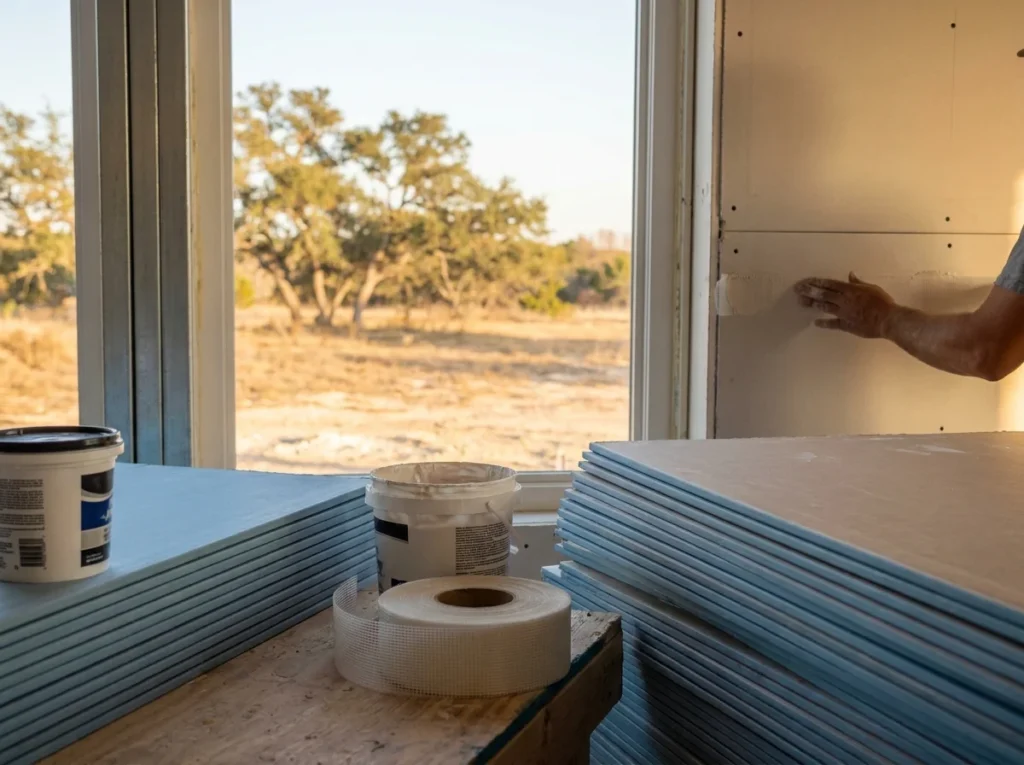
In Texas, harsh weather conditions and fluctuating temperatures can be especially tough on drywall. Choosing the right materials is crucial for preventing cracks and maintaining the integrity of your home’s walls. Not all drywall materials are created equal—especially when it comes to handling Texas’s unique climate challenges.
One of the best materials to consider is fiberglass mesh tape. Unlike traditional paper tape, fiberglass mesh offers superior flexibility and strength. It easily adapts to temperature changes, which helps minimize stress on the drywall joints—a primary spot for cracks.
For the drywall itself, opt for gypsum boards designed for high-moisture environments. These boards are often reinforced with moisture-resistant additives, helping them withstand Texas’s humid seasons without warping or forming cracks.
Additionally, consider using elastomeric joint compounds. These compounds boast high elasticity, allowing them to stretch and contract without cracking as temperatures rise and fall. This flexibility makes them highly effective in preventing seam cracks in areas with extreme weather conditions.
Lastly, pay attention to the paint you use. Paint with built-in flexibility can help protect your walls from minor shifts and movements, adding an extra layer of crack prevention.
By carefully selecting your materials, you can enhance the durability and longevity of your drywall, keeping your Texas home in top shape—season after season.
How to Repair and Manage Existing Drywall Cracks?
Drywall cracks are common—especially in regions like Texas with shifting soils and extreme weather. The good news? With a bit of effort, you can handle these cracks and keep your walls looking smooth and flawless.
Here’s a simple guide to help you repair and manage those pesky cracks:
- Assess the Damage: Begin by checking the size and pattern of the crack. Hairline cracks might simply be cosmetic, while larger ones could indicate structural shifts.
- Clean the Area: Use a damp cloth to remove dust or loose particles from the area around the crack. A clean surface ensures better adhesion of repair materials.
- Apply Joint Compound: Use a putty knife to spread a thin layer of joint compound along the crack. Make sure to press it into the crack to fill it completely.
- Use Drywall Tape: Place drywall tape over the crack. This step reinforces the area and prevents future cracking. Smooth it out and cover it with another layer of joint compound.
- Sanding: Once dry, sand the area to ensure a smooth finish. Make sure the repair blends seamlessly with the surrounding wall.
- Prime and Paint: Apply a primer before painting the repaired area to match the existing wall color. This step helps the new paint adhere properly and prevents any visible patches.
Taking the time to properly repair and maintain drywall can prevent minor cracks from turning into major headaches. Regular inspection and timely repairs keep your home’s interior looking its best.
Conclusion
Preventing drywall cracks in Texas homes requires an understanding of the unique climate challenges and employing expert practices like proper installation, using quality materials, and performing regular maintenance. Addressing these factors proactively can mitigate the risk of structural issues and preserve the integrity of your drywall for the long term.
At Stone Drywall Solutions, we take pride in offering comprehensive drywall services tailored to the needs of homeowners in Dallas and surrounding areas, including Fort Worth, Irving, Garland, and more. Our expertise extends beyond drywall to encompass services like caulking, spray foam insulation, and interior and exterior painting. Let us help you maintain a crack-free home. Contact us to us at (469) 999-8302 or email us at info@www.stonedrywallsolutions.com for any inquiries or to schedule your consultation. With our skilled team led by Jose Araujo, you can ensure your home’s drywall remains in pristine condition for years to come.